Dunellen Top Remodeling Contractor for Residential Renovation Projects
Dunellen Top Remodeling Contractor for Residential Renovation Projects
Blog Article
What Does Your Renovation Service Include? A Complete Guide for Your Remodeling Requirements
Remodeling offerings include various vital elements designed to facilitate effective remodels. These include consultation services, material selection, and project management. Each phase serves a crucial function in creating a unified result. Comprehending these elements can significantly influence the quality and efficiency of the renovation. Yet, many property owners miss key aspects that can affect their total satisfaction. What should one focus on when beginning such a undertaking?
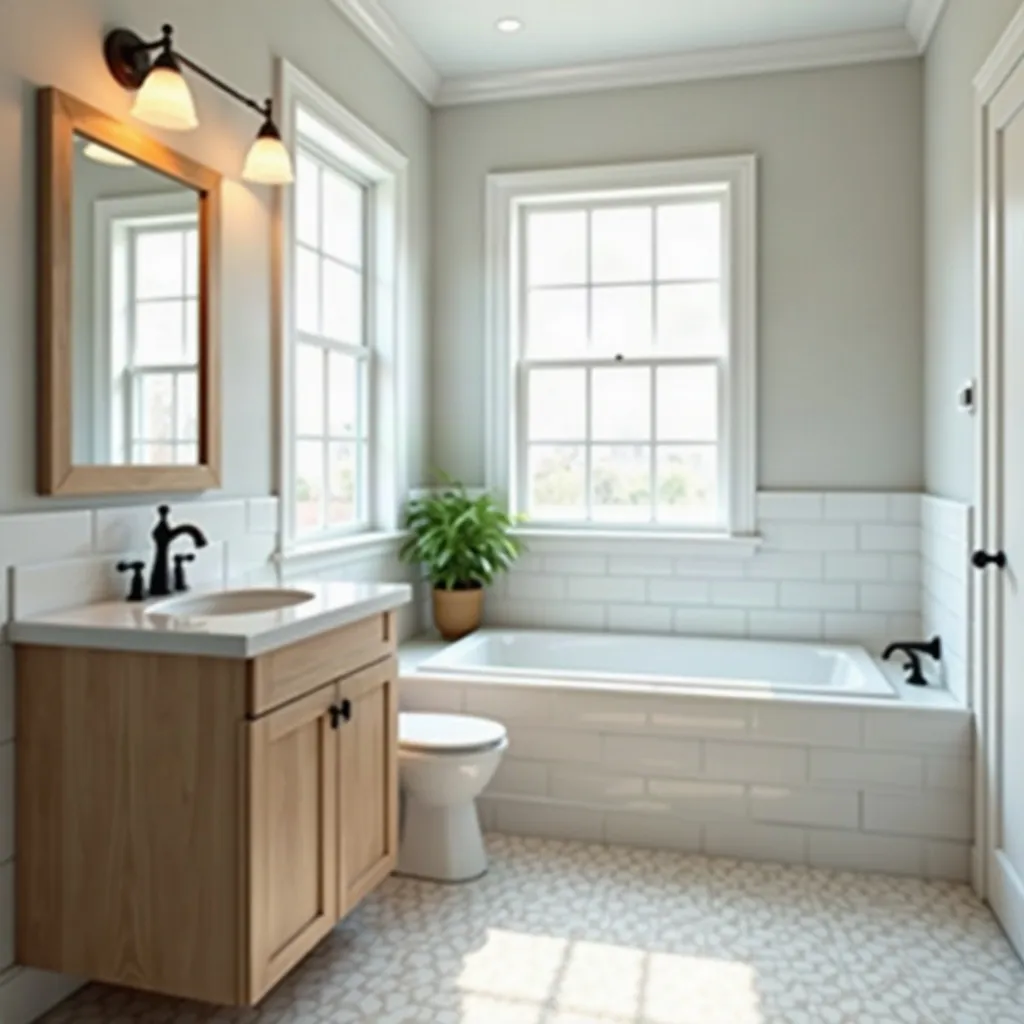
What Are the Key Components of Renovation Services?
When assessing remodeling services, grasping the essential elements is vital for a successful project. Important aspects typically include planning, financial planning, contractor selection, and project management. The planning stage includes conceptualizing the fresh arrangement and aesthetics, making sure it matches the homeowner's vision. Budgeting is important, as it covers all expenses, from materials to labor, and helps prevent overspending.
Choosing a credible contractor is another crucial component, as their expertise directly shapes the level and performance of the remodel. Homeowners should examine factors such as experience, references, and previous work.
Finally, effective project oversight ensures that deadlines are followed and that dialogue between all stakeholders stays transparent throughout the process. By comprehending these elements, homeowners can navigate the intricacies of renovation services, resulting in a successful remodel that fulfills their needs and expectations.
Selecting the Ideal Design Advisory Service: Important Elements to Assess
Determining the ideal design partnership is indispensable for a effective remodeling endeavor. Aspects such as the consultant's background and skills, along with compatibility in design approach, serve an essential role in confirming that the final outcome reflects the client's vision. Thoughtful consideration of these factors can yield a more gratifying and efficient remodeling undertaking.
Track Record and Expertise
Picking the ideal design consultation can significantly influence the success of a remodeling project. Experience and expertise are critical factors to weigh when selecting a consultant. A professional with a impressive portfolio shows a history of successful projects, highlighting their ability to navigate challenges effectively. Plus, knowledge of local building codes and design trends can enhance the project’s outcome. It’s also useful to evaluate their approach to problem-solving and communication style, as a interactive relationship encourages creativity and innovation. Additionally, seeking testimonials or reviews from past clients can give insight into their working methods and reliability. Ultimately, valuing experience and expertise ensures a smoother remodeling process and a more rewarding end result.
Design Style Consistency
A remodeling project’s positive result relies not just on expertise but also on the compatibility of design styles between the homeowner and the consultant. Selecting a comprehensive article design consultant entails reviewing personal aesthetic preferences alongside the consultant's portfolio. Homeowners should consider whether their vision matches the consultant's strengths, whether it involves modern, traditional, or eclectic styles. Open communication is essential; discussing inspirations and expectations helps bridge any gaps. Moreover, reviewing previous projects can expose the consultant's versatility with different styles. Compatibility is more than aesthetics; understanding how well the consultant listens and integrates feedback is essential. Ultimately, a harmonious partnership based on shared design values can elevate the remodeling experience and produce a satisfying outcome.
Selecting Remodeling Choices: Critical Knowledge You Should Understand
Choosing renovation supplies requires that homeowners evaluate durability, aesthetic appeal, and budget constraints. Suitable materials can boost the longevity of a project while also matching the overall design. Understanding available options ensures a balance between quality and affordability.
Material Endurance Examination
Durability plays a vital role in selecting remodeling materials because it significantly influences the longevity and upkeep of a space. Choosing materials that can withstand wear and tear is crucial for any renovation project. For example, flooring options like ceramic tiles and hardwood offer different durability levels; tiles resist moisture and scratches, while hardwood can boost the look but may require more maintenance. Moreover, countertops made from quartz or granite offer both strength and stain resistance. It’s also essential to factor in the local climate since certain materials perform better under specific conditions. Investing in robust, premium materials not only improves the space’s functionality but also reduces the need for frequent repairs or replacements, thereby saving time and money.
Aesthetic Appeal Factors
While functionality is essential, the aesthetic appeal of remodeling materials greatly influences the overall ambiance of a space. Choosing the appropriate materials requires considering color schemes, textures, and patterns that enhance the design vision. Natural materials, such as wood and stone, often evoke warmth and sophistication, while sleek metals and glass can produce a contemporary feel. Additionally, the finish of surfaces—matte, glossy, or textured—can dramatically affect the perception of light and space. The harmony between materials is vital; mismatched elements can disrupt a cohesive look. Ultimately, selecting aesthetically pleasing materials not only enhances visual interest but also contributes to a sense of comfort and well-being within the renovated environment.
Wallet-friendly Selections Offered
Although remodeling can seem challenging due to costs, many cost-effective options exist that allow property owners to achieve their wanted look without overspending. Choosing inexpensive materials like laminate countertops or vinyl floors can considerably lower expenses while still delivering a refined look. Repurposing current elements, such as storage units or hardware, through restoring or painting can also generate substantial cost reductions. Property owners may think about sourcing materials from local salvage yards or budget retailers, where quality items can often be found at lower costs. Adopting open floor plans or minimalistic styles can further reduce costs by limiting the need for extensive renovations. Ultimately, careful planning and creative thinking enable property owners to renovate effectively within a budget.
Understanding the building process important milestones and schedules
Navigating the building workflow demands a firm comprehension of its key steps and timeframes. At first, project planning entails defining the scope and budget, then selecting a qualified contractor. After assembling the team, the design period starts, during which blueprints and specifications are finalized.
Following this, the demolition phase may get underway, providing room for new construction. This is preceded by the build phase, where structural modifications happen, such as framing, electrical, and plumbing work. Each of these phases has specific timelines, often determined by the project's complexity and the material supply.
Finally, the final details consist of paint work, floor installation, and fixture placement. A comprehensive grasp of these stages, along with their individual schedules, helps homeowners set realistic goals and maintain effective communication with contractors, ensuring a more seamless renovation process.
Do you need to organize for licenses and rules?
Throughout the construction process progresses, grasping the required approvals and regulations becomes essential for homeowners. Engaging with local authorities early in the remodeling journey can illuminate which licenses must be secured for distinct projects. Building codes, zoning laws, and health and safety standards differ depending on jurisdiction, making it crucial to investigate these aspects before starting the renovation.
Homeowners should consider as well the form of renovation undertaking—whether it's a kitchen renovation or an supplementary structure—since different projects may call for assorted permits. Employing a trustworthy firm with experience navigating through these regulations can simplify the progression and reduce potential delays.
Additionally, homeowners should be ready for evaluations at different points to guarantee adherence with local standards. By emphasizing licensing preparation, property owners can avoid costly fines and obtain a smoother renovation experience. Ultimately, comprehensive planning in this area establishes the foundation for a accomplished remodeling project.
Completing Elements That Enhance Your Space
Elevating a space often copyrights on the deliberate integration of final details that showcase personal style and practicality. These details can transform a simple renovation into a cohesive environment. Items such as custom cabinetry, elegant light fixtures, and distinctive hardware can add charm and personality, while also enhancing functionality.
Using textiles including area rugs, curtains, and throw pillows provides warmth and comfort, creating an inviting atmosphere. Also, wall art, mirrors, and decorative accents act not only as aesthetic elements but also as focal points that attract the eye.
Plants and greenery bring a touch of natural beauty, enriching both atmospheric quality and visual interest. Choosing a balanced color palette guarantees that all aspects work in concert without friction, reinforcing the overall design intent. To sum up, these finishing touches are essential in developing a space that speaks to its inhabitants, embodying their tastes and enhancing their daily experiences.
Determining Your Remodeling Cost Estimate: Recommended Approaches
How can homeowners properly establish a renovation budget that meets their needs? First, they should determine their overall financial limits by evaluating savings, potential loans, and expected return on investment. Next, developing a detailed list of desired renovations can help prioritize projects and distribute money accordingly. Homeowners should also research average costs for materials and labor in their area, allowing for realistic budgeting.
Moreover, it is advisable to set aside 10-20% of the budget for unexpected expenses, which regularly occur during renovations. Working with specialists can deliver insights into cost-effective solutions and conceivable pitfalls. Ultimately, sustaining flexibility in the budget can adapt to changes that may strengthen the overall project. By embracing these best practices, homeowners can establish a well-structured budget that aligns with their renovation goals while minimizing financial stress.
Popular Questions Asked Regularly
What Duration Does a Typical Remodeling Project Usually Require to Wrap Up?
A standard remodel undertaking may require several weeks through several months, subject upon the complexity, size, and extent of construction, as well as the obtainability of supplies and crew.
Can I occupy My Home During the Renovation?
Yes, homeowners can often stay in their homes during remodeling, depending on the scope of the project. However, noise, dust, and limited access to certain areas may create discomfort, requiring adaptability and flexibility during the process.
What Hidden Costs Should You Anticipate During Remodeling?
Concealed expenses commonly found in renovation work often include unexpected structural repairs, permit fees, design changes, and enhancements to electrical and plumbing components. Homeowners regularly overlook these expenses, which can substantially impact the overall renovation budget.
What's the Right Way to Find a Trustworthy Contractor?
To pick a reliable contractor, one should research reviews, verify licenses, and obtain multiple quotes. Additionally, assessing past projects and maintaining open dialogue can help establish a contractor's dependability and fit for the project.
What can I Do if I'M Unhappy With the Results?
If dissatisfaction occurs following a renovation, one should initially raise issues plainly with the contractor. Log complications, identify answers cooperatively, and if not resolved, weigh mediation or reaching out to local consumer protection agencies for additional direction.
Report this page